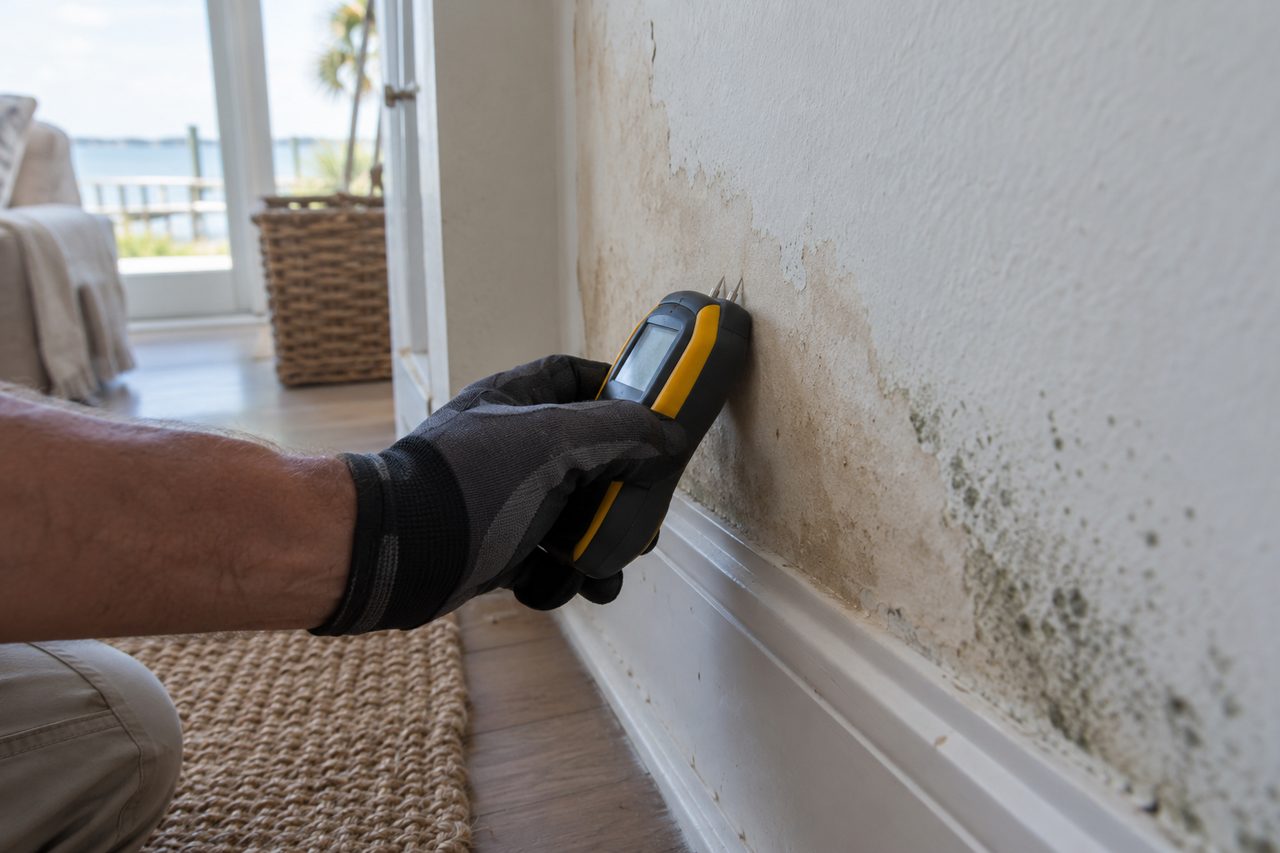
Moisture, heat, hurricanes, and coastal humidity can make mold a recurring problem in Wilmington homes. Get clear information on remediation and connect with a local mold professional serving the Cape Fear region.
Tell us what you need and we'll get you a no-obligation estimate.
Serving homeowners and builders across Wilmington and the Cape Fear region.
A local pro can check visible growth, musty odors, moisture levels, and likely water sources before recommending next steps.
Remediation typically includes containment, safe removal or cleaning of affected materials, HEPA filtration, and careful cleanup of contaminated dust and debris.
Wilmington-area crawlspaces often struggle with ground moisture, poor ventilation, and humid air, making assessment and moisture control especially important.
After roof leaks, plumbing failures, tropical storms, or flooding, prompt drying and remediation can help limit mold spread.
Mold can develop around roof ventilation issues, bathroom exhaust problems, air leaks, or condensation near ducts and air handlers.
After cleanup, a mold professional may recommend drying repairs, ventilation changes, dehumidification, drainage improvements, or follow-up testing when appropriate.
Wilmington’s coastal climate creates ideal conditions for mold: warm temperatures, high humidity, heavy rain, crawlspace moisture, and storm-related water intrusion are all common across the Cape Fear region. Mold may show up after a leak, HVAC condensation issue, roof problem, flooding, or simply from long-term dampness in enclosed areas.
Professional mold remediation matters because cleaning visible growth is only part of the job. A qualified local pro can help identify the moisture source, contain affected areas, remove contaminated materials when needed, clean surfaces properly, and recommend steps to reduce the chance of mold returning.
Get a free quoteIf you're nearby, we likely cover you — just ask.
You may need remediation if you see recurring mold growth, smell persistent musty odors, have had recent water damage, or find damp materials that stayed wet for more than a short time. A mold professional can assess the area and determine whether cleaning, removal, drying, or repairs are needed.
Pricing depends on the size of the affected area, where the mold is located, whether materials must be removed, and whether the moisture source is fixed. Small, accessible areas may cost a few hundred dollars, while crawlspaces, attics, or post-water-damage projects can cost several thousand dollars.
Yes, mold issues are common in coastal North Carolina because of humidity, warm weather, heavy rain, and storm exposure. Homes with crawlspaces, older ventilation systems, roof leaks, plumbing leaks, or drainage problems can be especially vulnerable.
Small surface spots on non-porous materials may be manageable for some homeowners if the moisture source is corrected and proper precautions are used. Larger areas, hidden mold, contaminated drywall or insulation, HVAC involvement, or mold after flooding should be evaluated by a professional.
Mold can return if the underlying moisture problem is not corrected. Good remediation includes cleanup plus practical moisture control, such as fixing leaks, improving drainage, managing indoor humidity, or addressing crawlspace and ventilation issues.
Call or text now and a local specialist will get you a no-obligation estimate.
(910) 606-4636Call or text us and a local specialist will get you a no-obligation estimate.
(910) 606-4636